Bright Minds activities
for morning circle
A guide for teachers and staff to the lessons from Kinesiology for Kids—one free, 10-minute activity at a time during the morning circle.
10 min
in the morning circle
9 lessons
to experience together
Free
for the school community
TOGETHER
◯ Move. Practise. Learn together.
One lesson.
One morning circle.
NeuroBalance will guide teachers and students through these activities together, as a free way to help students within the morning circle you already share.
min
Notice how we feel
Rate how you feel on a scale.
min
Demo the activity
Demonstrate the activity and share its benefits.
min
Practice together
Follow the written steps together, with time for guided practice and pauses.
min
Close the morning circle
Give students a moment to share what they noticed before moving into the school day.
Each morning circle focuses on one lesson. The activities below are excerpts from the Kinesiology for Kids manual. Normally taught in a 3 hour course, it has been broken down into 9 easy activities to provide a quick reset for students.
Bright Minds activities.
A way to help students reconnect.
Explore each lesson’s student benefit and written steps. Every benefit below is quoted directly from Kinesiology for Kids.
Switch on!
HERE’S WHAT YOU GET
“Better performance at sport, clearer thinking and concentration”
Kinesiology for Kids · p. 7
Here’s how · from the manual
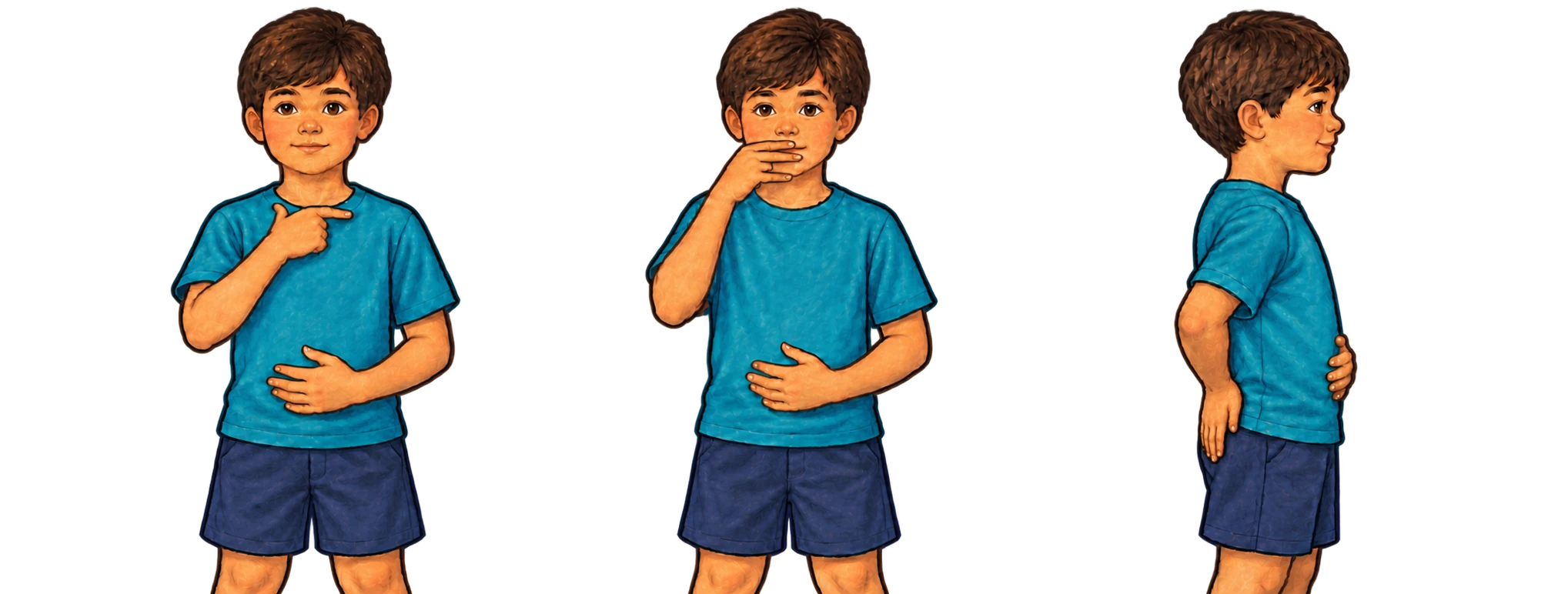
First – put one hand on the belly button and use the other hand to rub the ends of your collar bones. Change hands.
Next – put one hand on the belly button and use the other hand to rub your top and bottom lips. Change hands.
Then – put one hand on the belly button and use the other hand to rub your tail bone. Change hands.
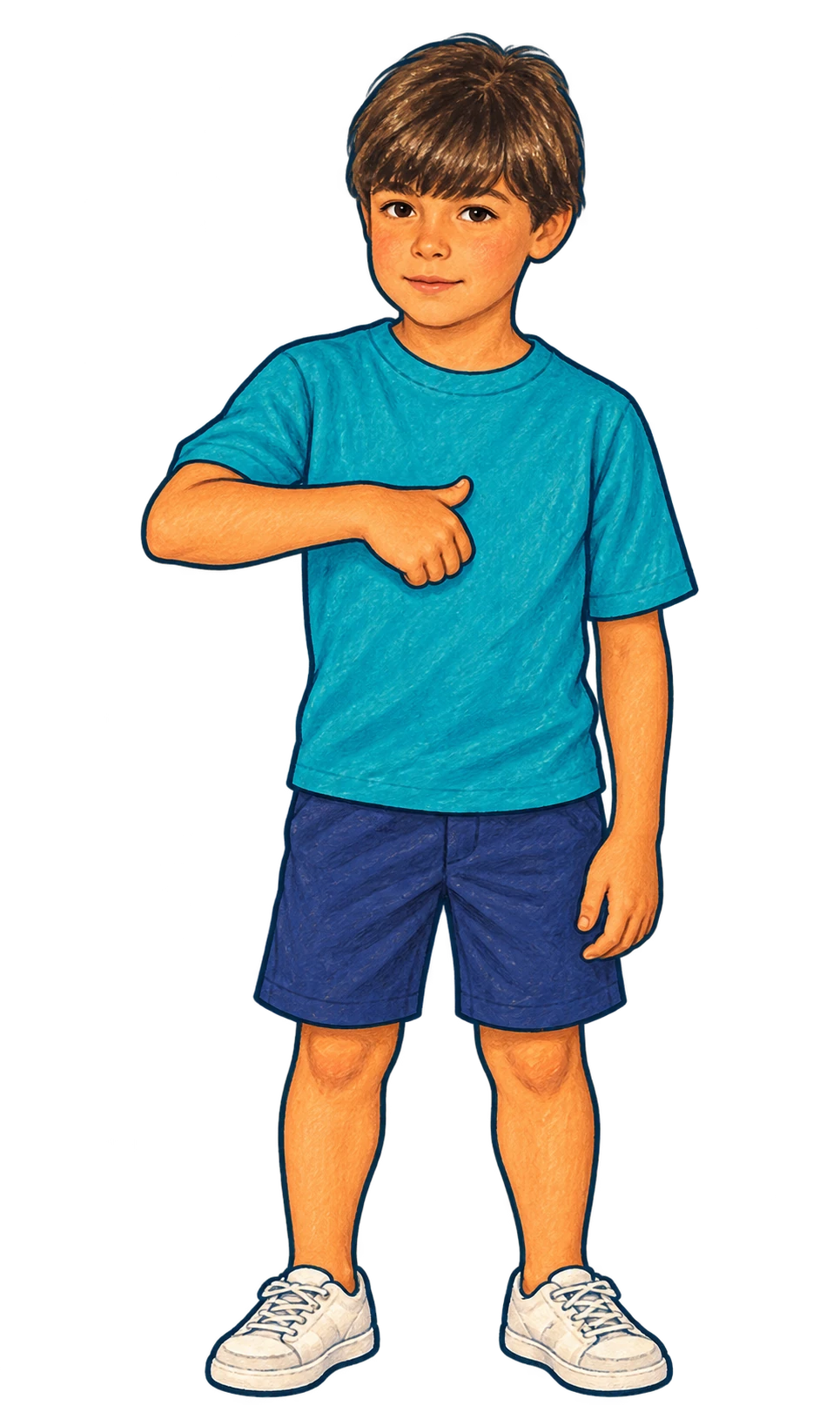
Zip Ups
HERE’S WHAT YOU GET
“Clearer thinking and better concentration.”
Kinesiology for Kids · p. 8
Here’s how · from the manual
Use your hand to trace a pretend line from below your tummy to your bottom lip. Do this several times.
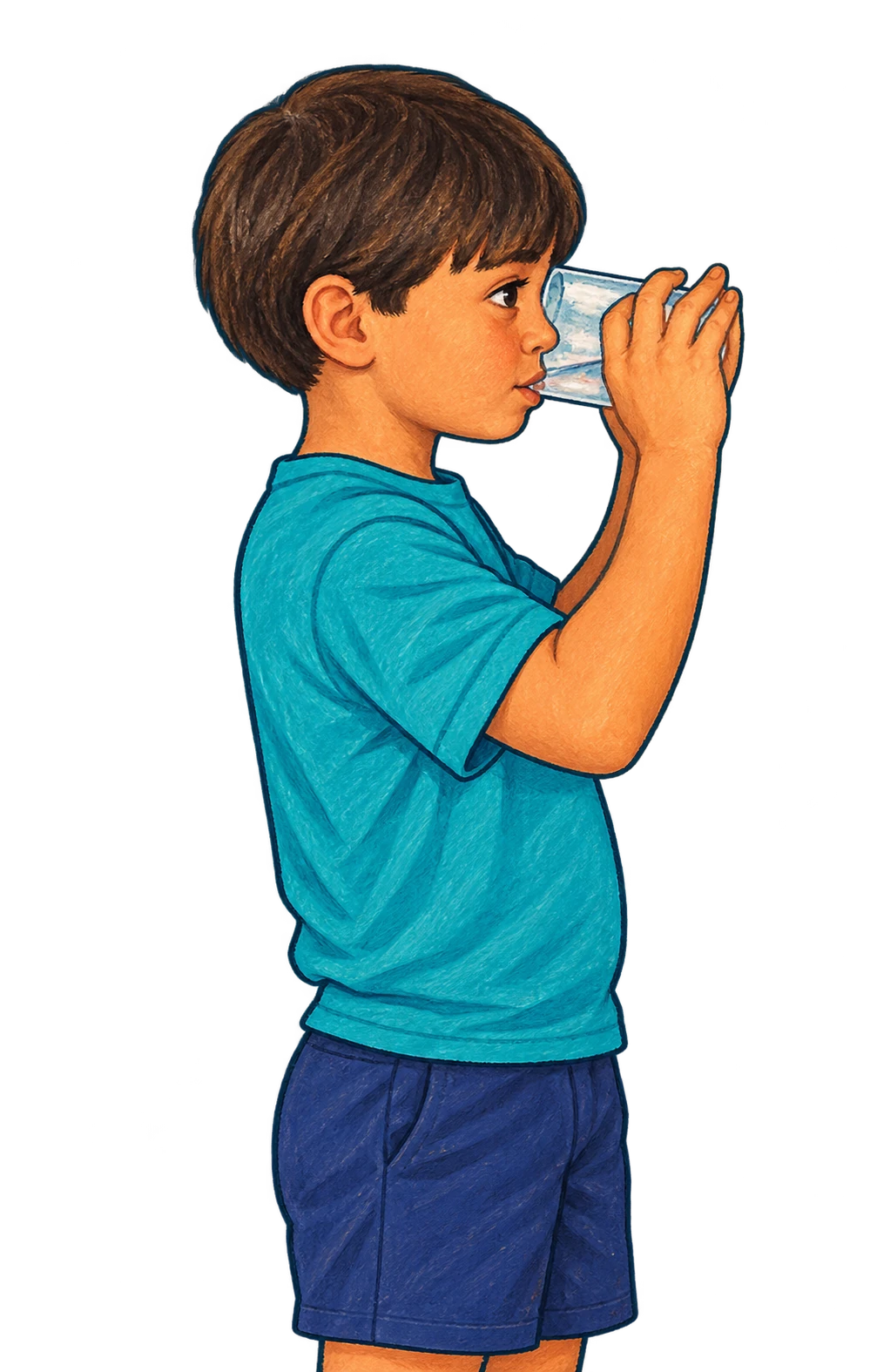
Drinking water
HERE’S WHAT YOU GET
“Better brain power. Keeps your insides clean and healthy.”
Kinesiology for Kids · p. 8
Here’s how · from the manual
Drink lots of water, especially at school.
Cross Crawl
HERE’S WHAT YOU GET
“Better co-ordination for sports, movement and thinking.”
Kinesiology for Kids · p. 9
Here’s how · from the manual
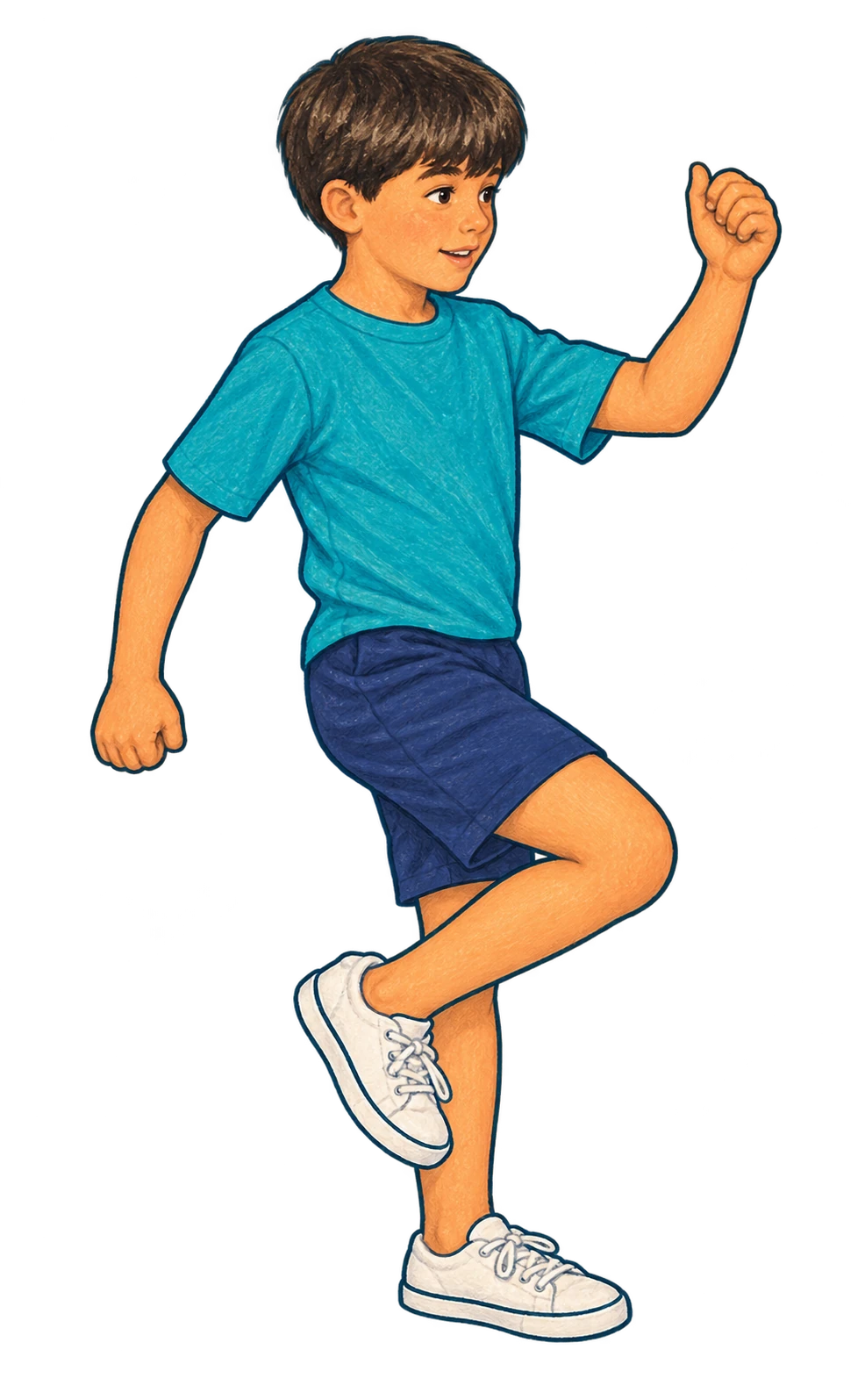
Walk in a marching pattern – right arm forward with the opposite leg forward, left arm back with the opposite leg back. If you are “marching” to school you could also hum a song to yourself, or practice your maths tables in your head. This makes the exercise even better and you may notice an improvement in your performance in class.
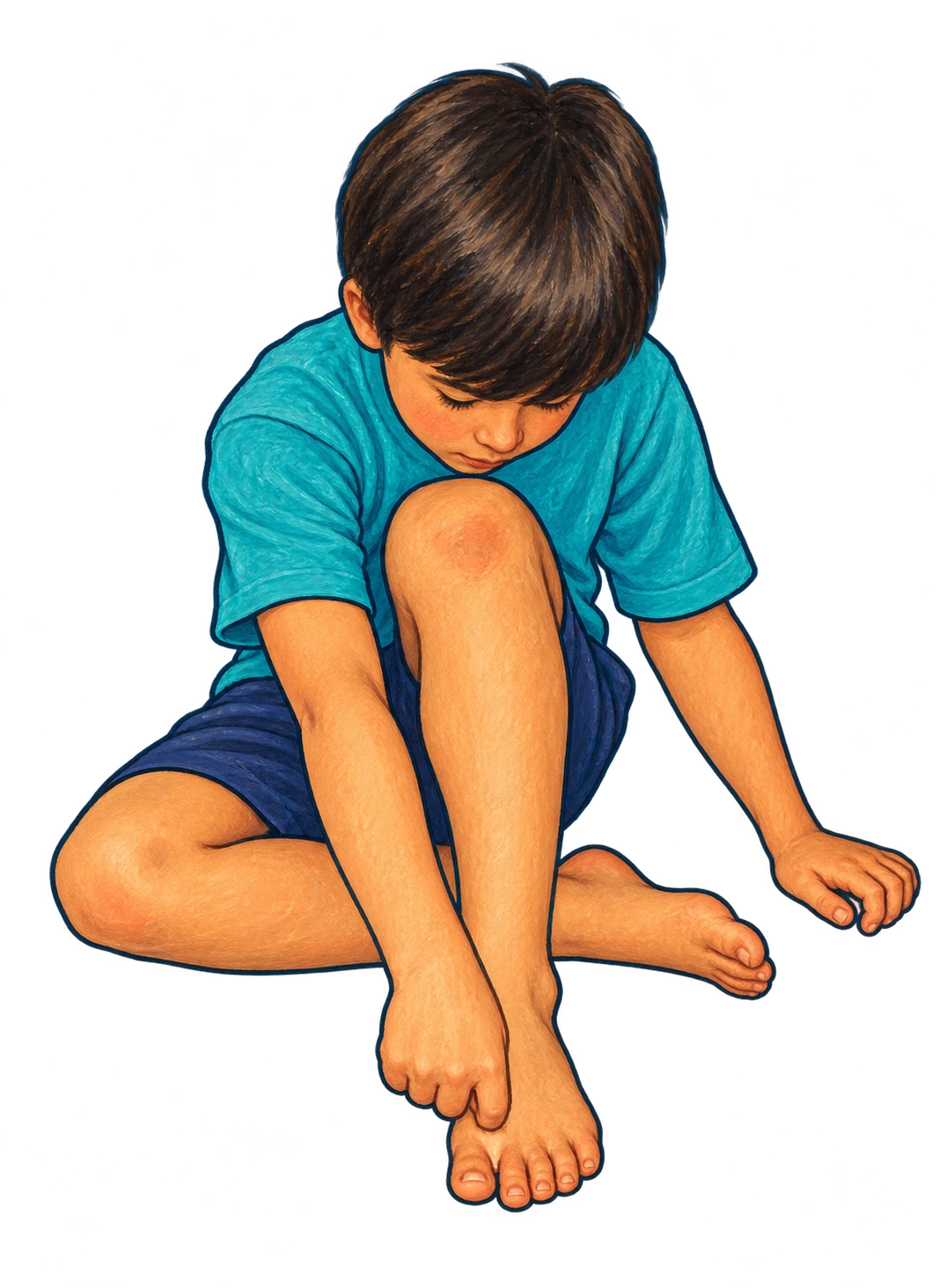
Foot Massage for Easy Walking
HERE’S WHAT YOU GET
“Better co-ordination and endurance when walking and running”
Kinesiology for Kids · p. 10
Here’s how · from the manual
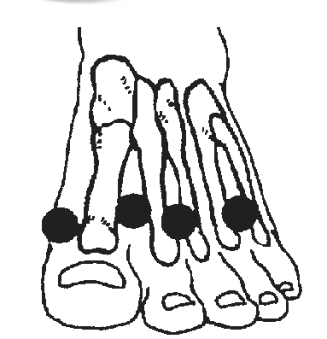
Rub the places on the feet as shown in the picture. Some of them may be tender but it is worth it if you can keep rubbing until the tenderness is gone.
Lazy Eights
HERE’S WHAT YOU GET
“Better handwriting, learning new things more easily”
Kinesiology for Kids · p. 10
Here’s how · from the manual
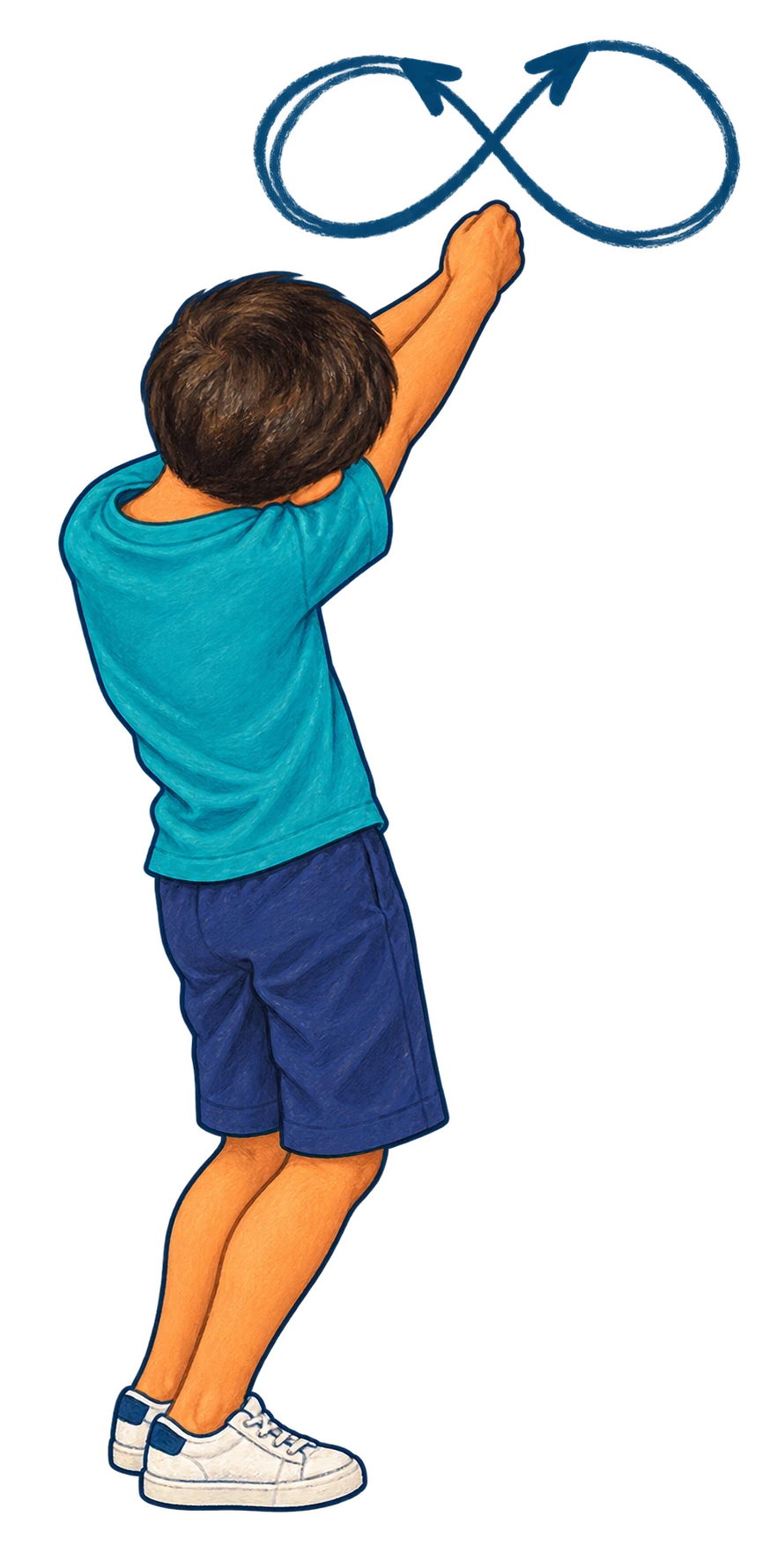
Put your head on your shoulder and keep your eyes on your hand while you pretend to draw several lazy eights in the air. Keep your knees slightly bent and move your upper body as well as your arm. Change sides and repeat. Now do this with two hands held together. Always start from the middle of the “lazy eight” and go up, out and around.
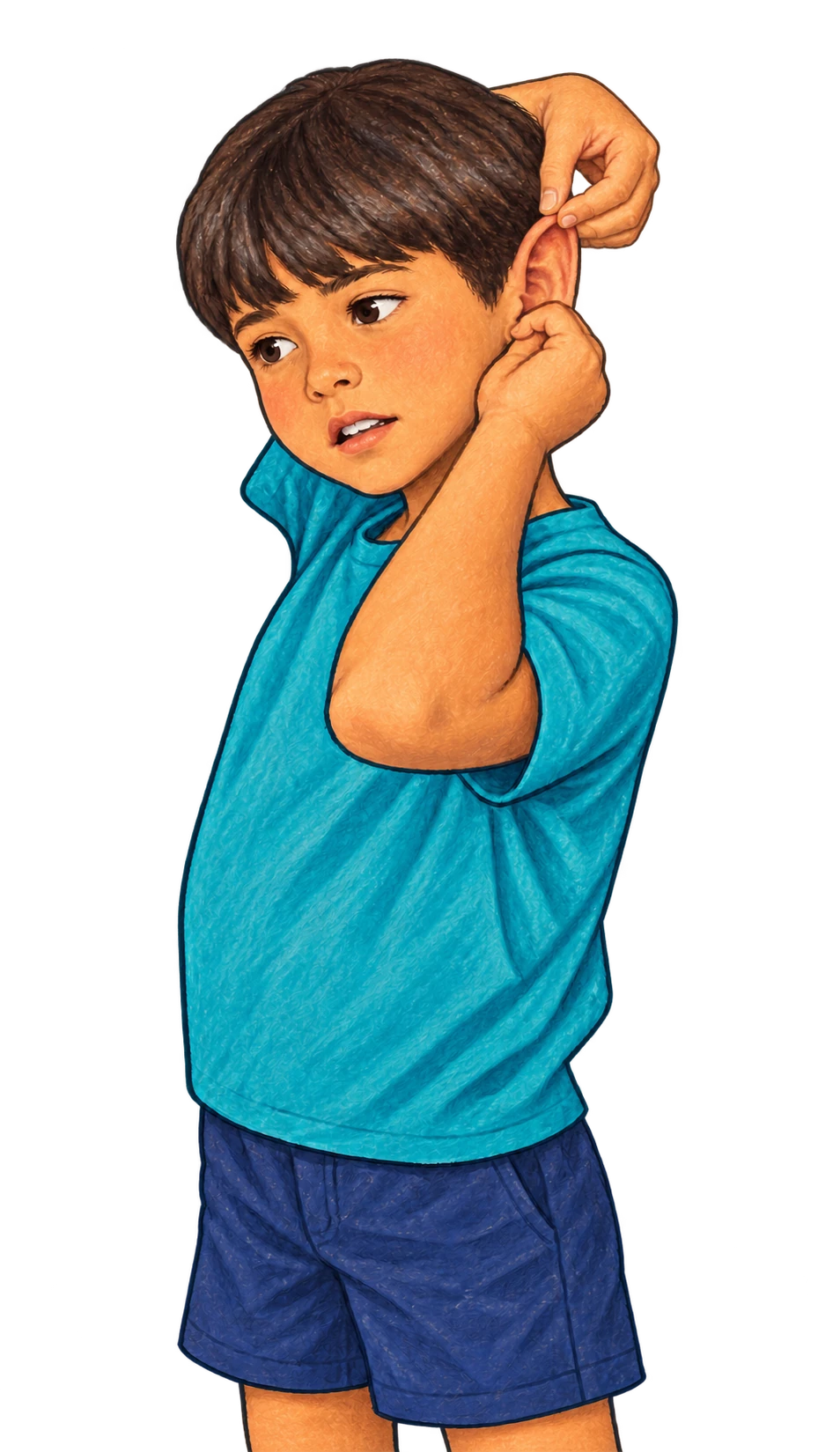
Unroll your ears
HERE’S WHAT YOU GET
“Better understanding when listening. Less tightness around the neck and shoulders when leaning over books or sitting at a computer.”
Kinesiology for Kids · p. 11
Here’s how · from the manual
Turn your head to the right and use your hands to stretch the ear facing to the back (right ear) from top to bottom. Now turn to the left and stretch your other ear from top to bottom.
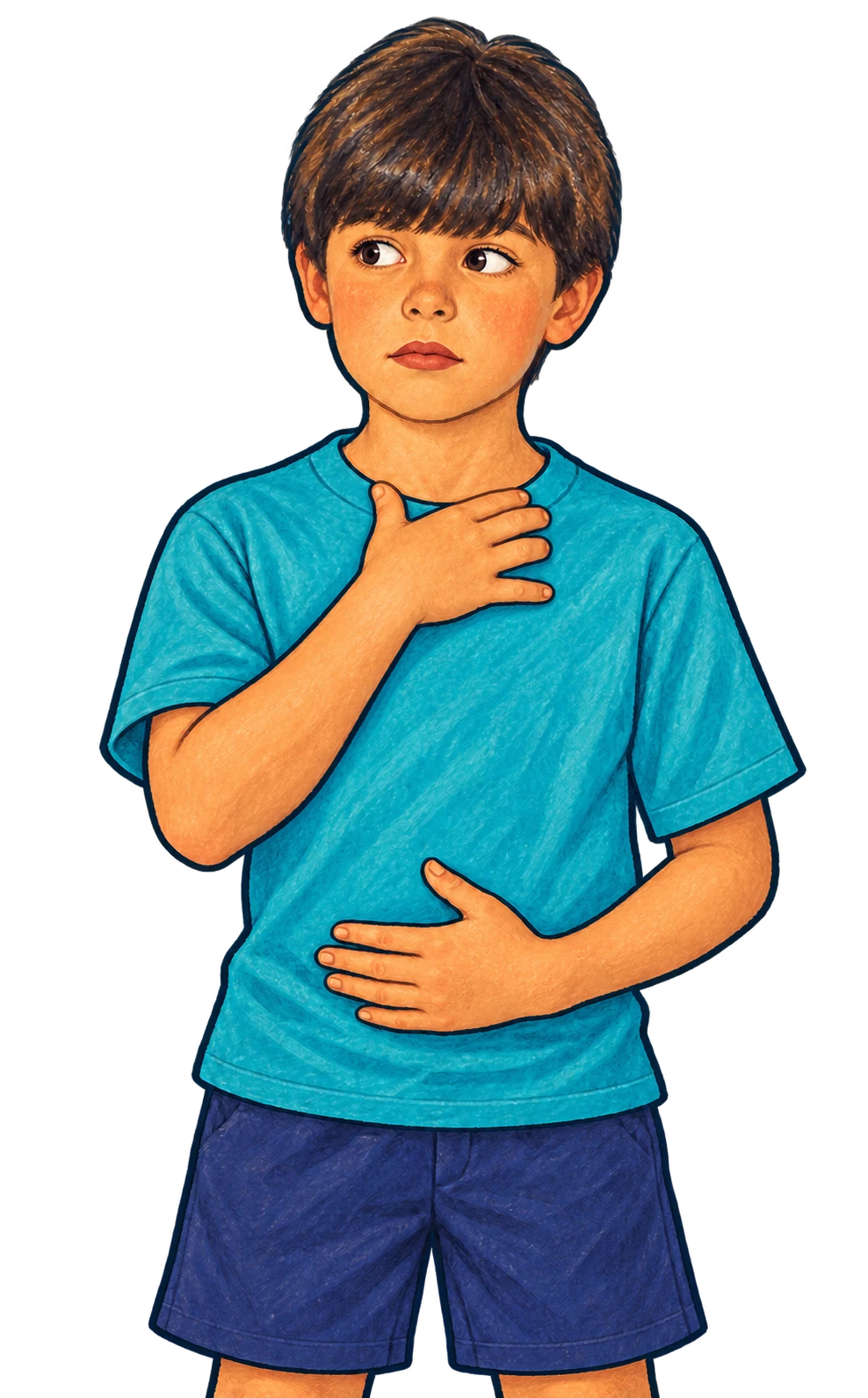
Tune up your eyes
HERE’S WHAT YOU GET
“Better reading and comprehension. Eyes not so tired when doing computer work or reading.”
Kinesiology for Kids · p. 11
Here’s how · from the manual
Use one hand to hold the belly button and the other hand to rub the ends of your collar bones. Move your eyes in circles first one way, then the other. Change hands and repeat.
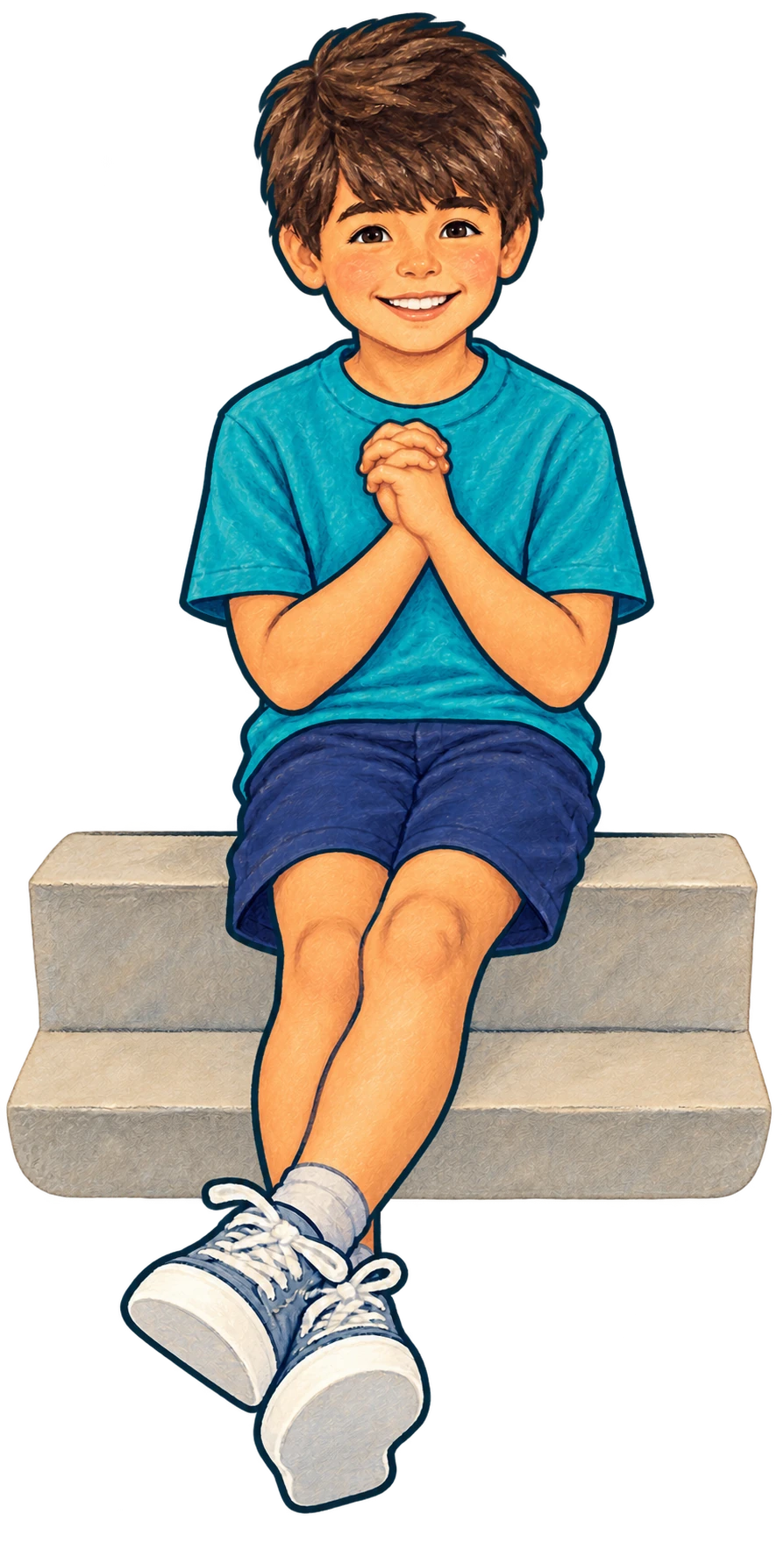
Energy Connections
HERE’S WHAT YOU GET
“Better concentration and co-ordination, and a calm feeling.”
Kinesiology for Kids · p. 12
Here’s how · from the manual
First – While sitting, put your left leg on your right knee. Put your right hand over the top of your left foot, then cross your left hand over the top of the right hand and hold the bottom of your left foot. Hold for two minutes or so.
Alternately, you can put your left ankle over your right ankle. Stretch your hands in front of you and cross the left wrist over the right wrist. Interlace your fingers and bring your hands up to your chest.
Next – Put both feet on the floor and put your fingertips together. Hold for two minutes or so.
Lesson benefits and instructions: Kinesiology for Kids, Toni Lilley, pages 7–12. The ten-minute morning circle format is NeuroBalance’s way of introducing the lessons at school.
What to expect
during morning circle.
If interested in the free 3 hour course for students, teachers and/ or parents with extra material like how to do muscle testing, feel free to reach out and schedule via WhatsApp.
Josh · Contact through WhatsApp